Facility Engineering Services

News

Profile view of a technician wearing a yellow hard hat and high-visibility vest, monitoring multiple dashboards on three screens in a dim control room.

The Night Shift: How Systems Operate After Hours

When the last occupants leave, your building shifts into a different phase of operation. HVAC equipment, controls, lighting, and other systems adjust to lower demand while continuing to maintain required conditions, support critical areas, and prepare the facility for the following day. Because this activity is designed to occur with minimal disruption, it often receives less attention than daytime operations. However, the hours between closing and reopening can provide valuable insight into whether schedules reflect actual facility use, if equipment responds appropriately as demand changes, and if building systems are operating only when and where they are needed.  Transitioning Beyond Occupied Hours As activity throughout the building slows, the building automation system begins transitioning equipment from occupied to unoccupied operation. Temperature setpoints may widen, ventilation requirements may decrease, lighting schedules may take effect, and equipment serving empty spaces may shut down or operate at reduced capacity. The result is an overnight operating approach that reflects the building’s reduced activity and changing demands. The transition varies across the building because different spaces have different responsibilities after hours. Offices and commercial spaces may allow greater temperature variation, while healthcare facilities, laboratories, data centers, and other critical environments continue operating within more specific parameters. Building automation allows each area to follow a strategy based on its purpose rather than applying the same schedule and operating conditions throughout the entire facility. Even with fewer occupants and lower demand, building systems continue monitoring temperature, humidity, pressure, equipment status, and other conditions that influence facility operation. Pumps, fans, air handling units, and related equipment may cycle throughout the night as conditions change, while alarms provide visibility into issues that require attention. This allows the building to reduce overall operation without leaving critical equipment and environments unprotected. Building use also does not always end according to schedule. Evening events, maintenance work, extended employee hours, and unexpected occupancy may create demand in certain areas after the facility has entered unoccupied mode. Temporary schedule adjustments and occupant overrides can provide the necessary conditioning without returning the entire building to full operation as long as those changes expire when the additional activity ends. Several hours before normal occupancy resumes, the building begins preparing for the day ahead. Equipment may start in advance to restore temperature, ventilation, and other environmental conditions before people arrive. Outdoor weather, current indoor conditions, building characteristics, and anticipated demand can all influence how much recovery time is required. A properly configured startup sequence uses these conditions to determine when equipment should begin operating rather than relying on the same start time throughout the year. This gives the building enough time to reach the appropriate conditions without starting systems earlier than necessary. What Overnight Operation Can Reveal Overnight operation can reveal whether building schedules and control strategies still reflect the way the facility is being used. Equipment that continues running long after spaces are empty may indicate scheduling conflicts or overrides that were never cleared, while repeated after-hours requests in the same area may show that occupancy patterns have changed. Spaces that consistently struggle to recover before people return may also point to issues with startup sequences, equipment operation, or system capacity. Reviewing after hours trends can help facility teams answer several important questions: Together, these patterns provide a clearer picture of how the building operates across its complete daily cycle. They can also help facility teams identify practical opportunities to update schedules, refine control strategies, and reduce equipment operation that no longer supports an operational need. Making Every Operating Hour Count The hours when a building appears least active can be some of the most informative. They reveal whether operating strategies remain aligned with actual use, where equipment may be running unnecessarily, and how effectively the facility prepares for the next occupied period.  FES helps organizations turn that after-hours information into informed operational decisions through the design, programming, and ongoing support of building automation systems. To take a closer look at how your building operates after everyone leaves, contact FES.

The Night Shift: How Systems Operate After Hours Read More »

Preparing Your Building Automation System for Spring

As winter conditions fade and outdoor temperatures begin to rise, facilities enter a seasonal transition that can significantly impact building performance. Heating loads decrease, ventilation needs shift, and longer daylight hours change occupancy patterns and operating schedules. Without proper adjustments, buildings can continue operating in winter mode longer than necessary, leading to wasted energy, uneven comfort, and unnecessary strain on equipment. Building automation systems play a critical role in helping facilities adapt to these seasonal changes smoothly. When systems are properly reviewed and optimized, facility teams can maintain comfort, improve efficiency, and ensure building systems respond appropriately as conditions change. Taking time to review system settings and operational sequences during this transition helps ensure buildings are prepared for changing spring conditions. Key Building Automation Adjustments for Spring Seasonal BAS adjustments help facilities maintain comfort, reduce unnecessary energy consumption, and support stable equipment performance as weather conditions evolve. 1.   Updating Temperature Setpoints and Control Sequences During winter, many facilities operate with heating focused control strategies designed to maintain comfort during colder conditions. As temperatures rise, those setpoints and sequences may need adjustment to prevent unnecessary heating or simultaneous heating and cooling. Facility teams should review zone temperature setpoints, heating lockouts, and seasonal control sequences to ensure systems respond appropriately to milder conditions. Even small adjustments can significantly improve comfort while reducing wasted energy. 2.   Reviewing Sensor Accuracy and Control Inputs Building automation systems rely on accurate sensor data to make effective control decisions. During seasonal transitions, it is important to verify that key sensors and control inputs are operating correctly. Temperature sensors, humidity sensors, and airflow measurements can drift over time, especially after extended periods of heavy winter operation. When sensors provide inaccurate readings, control strategies may respond incorrectly, causing systems to run longer than necessary or struggle to maintain stable comfort conditions. A spring BAS review provides an opportunity to verify sensor accuracy, recalibrate devices if needed, and ensure that control logic is responding to reliable data. Addressing these issues early in the season helps facilities avoid unnecessary energy use while maintaining consistent building performance. 3.   Reviewing Equipment Scheduling and Occupancy Patterns As daylight hours increase and seasonal activity patterns change, building schedules may no longer align with how spaces are actually being used. Building automation systems allow facility teams to adjust operating schedules, occupancy settings, and setback strategies to better reflect real usage patterns. Updating schedules ensures equipment runs only when needed, helping reduce unnecessary runtime and energy consumption. 4.   Identifying Winter Related System Issues Seasonal transitions also provide an opportunity to review building automation data and identify issues that may have developed during winter operation. Trending and system analytics can highlight problems such as drifting sensors, valves that are not fully closing, or equipment that operated excessively during colder months. Addressing these issues now can prevent larger performance problems as cooling demand increases later in the year. 5.   Reviewing Energy Performance Trends Building automation systems generate valuable operational data that can help facility teams evaluate how systems performed during winter and where improvements can be made moving forward. Reviewing energy usage trends, runtime patterns, and system performance data allows teams to refine control strategies and identify opportunities for improved efficiency during the upcoming cooling season. How Facility Engineering Services Can Help Seasonal transitions give facility teams an opportunity to step back and evaluate how their building automation systems are performing. Small adjustments made at the right time can prevent comfort complaints, reduce unnecessary equipment runtime, and keep systems operating smoothly as conditions change. At Facility Engineering Services, we work with facility teams to review BAS operation, identify opportunities for improvement, and support smarter day to day system management. From troubleshooting control issues to helping teams better understand system data, our goal is to make building automation easier to manage and more effective for the people responsible for running the building. A thoughtful seasonal review helps ensure building systems respond appropriately as spring conditions arrive. When building automation settings are aligned with changing weather and occupancy patterns, facilities can reduce unnecessary energy use, minimize equipment strain, and maintain more consistent indoor conditions. Addressing these adjustments early in the season helps prevent operational issues later and supports more reliable building performance throughout the months ahead.

Preparing Your Building Automation System for Spring Read More »

Facility Engineering Services 2023 Employee Recognitions

Acknowledging and celebrating the contributions of our team is more than just a formality—it’s a powerful catalyst for fostering a positive team culture. The heart of any successful organization lies in the dedication and hard work of its employees. Throughout the year we took a moment to spotlight the individuals who went above and beyond, demonstrating exceptional performance, collaborative spirit, and unwavering dedication to our FES values. Facility Engineering Services 2023 Employee Recognitions  Chad N. Chuck M. Kevin M. Matt G. Marc M. Kevin B. Matt R. Brady T. Dave R. Tanner S. Jason F. Randy H. Recognizing exceptional performance, teamwork, and dedication to FES values encourages our team to strive to be the best in the industry. Here’s to the notable accomplishments of our 2023 Employee Recognitions; we are grateful for their commitment to Team FES. As we celebrate the achievements of the past year, we are inspired to carry forward the spirit of appreciation and acknowledgment, knowing that it is the foundation upon which a thriving and dynamic team culture is built.

Facility Engineering Services 2023 Employee Recognitions Read More »

The Growing Significance of Cybersecurity in Building Automation

In an era where connectivity and smart technology empower our buildings, the significance of cybersecurity in building automation has become crucial for protecting critical systems. As we embrace the benefits of interconnected systems, the need to defend against potential threats becomes increasingly significant.  With the integration of cloud-based solutions in building automation, the opportunity for potential cyber threats expands. Cybersecurity is no longer an afterthought but a critical component of any comprehensive building automation system. Did you know that 42% of the computers powering building management systems faced cybersecurity threats in 2022? These computers control critical infrastructures for facilities such as government buildings, hospitals, and data centers. Understanding potential vulnerabilities is the first step toward securing building automation systems. It is important to conduct regular vulnerability assessments to stay ahead of potential risks. Common weak points to be aware of are insecure network connections, outdated software, and insufficient access controls. Below are a few suggested measures to ensure your critical systems are protected. As we navigate the complex landscape of building automation, cybersecurity emerges as a cornerstone for sustainable and secure development. By implementing comprehensive security measures and staying informed about emerging threats, we can collectively build a future where smart buildings thrive without compromising on safety, innovation, and resilience. Learn more about how FES can improve your access controls https://facilityeng.net/access-control/ 

The Growing Significance of Cybersecurity in Building Automation Read More »

Highlight Reel: TSG Teambuilding Retreat 2023 in Wyoming

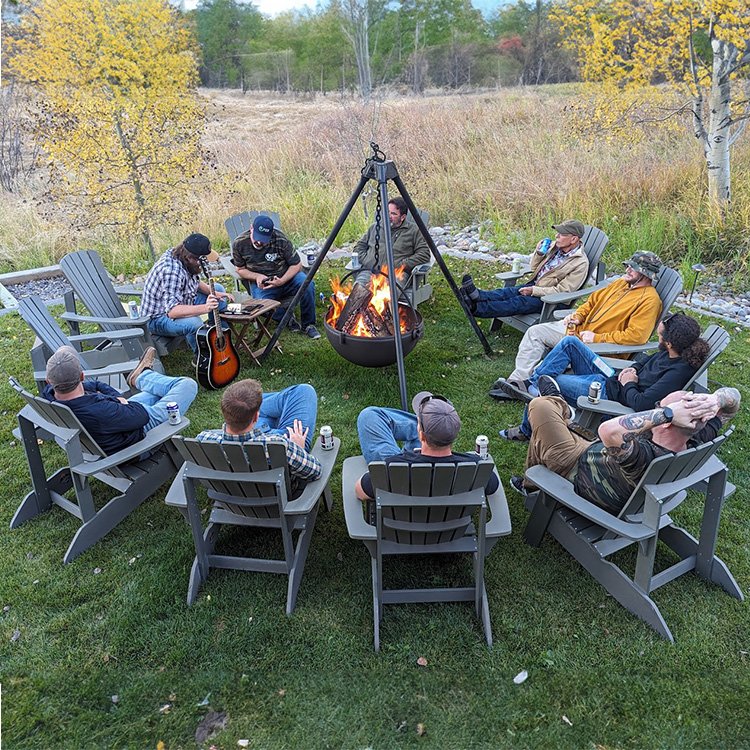
At FES, we believe that the longevity and success of our organization hinges on the strong loyalty and character of our team. Our annual Teambuilding Retreats, held at the beautiful Star Valley Lodge, are an integral part of our commitment to team development. These retreats offer our team members the opportunity to bond with their colleagues, regroup, and enjoy well-deserved fun in the Wyoming wilderness. During our recent retreat, both our leadership team and TSG members came together for a series of enriching and collaborative experiences. The initial two days of the retreat were devoted to engaging presentations and strategic planning sessions. Here, they delved into conversations about FES’s future and set forth objectives that will pave the way for our continued growth and pursuit of excellence. These conversations are key for us to maintain our commitment to our core mission and values, allowing us to adapt to the ever-evolving challenges that the industry presents. However, it’s not all work and no play at FES. The second half of our retreat was packed with exciting adventures, as our team explored all that the mountains have to offer. From trail riding in the wilderness to engaging in thrilling activities at the shooting range, our team had a blast! Surrounded by the natural beauty of the Wyoming wilderness, they were not only inspired by the scenery but also reminded of the importance of respecting the environment, aligning with our commitment to providing eco-conscious and energy efficient solutions. As we reflect on this year’s Teambuilding Retreat, we can’t help but look forward to the adventures that await us in the next one. This annual tradition has become a highlight of our year, and we are dedicated to continuing our journey of growth, excellence, and fostering the spirit of teamwork that distinguishes FES. We are grateful for the opportunity to provide these incredible experiences for our team members and extend our thanks to Star Valley Lodge for hosting us and making this year’s retreat a memorable experience for all.

Highlight Reel: TSG Teambuilding Retreat 2023 in Wyoming Read More »

CERC-Globe

FES Named Certified Environmentally Responsible Contractor (CERC) October 2023

Facility Engineering Services was named a Certified Environmentally Responsible Contractor (CERC) on October 20, 2023. This certification is awarded to trade and general contractors who are leading the construction industry towards best management practices that prevent the release of toxic and hazardous pollutants into the environment.  The CERC program is a comprehensive certification initiative that recognizes contractors who not only meet industry standards but encourage their employees to understand and mitigate environmental risks associated with their operations. By embracing practices that focus on pollution prevention and financial responsibility, CERC is at the forefront of elevating environmental standards in the U.S. construction sector.  At FES, we believe that it is important to promote a culture of awareness and action among our team, and this certification marks a significant milestone in our commitment to sustainability and environmental responsibility within the industry. Team FES is committed to making your next project a success in terms of quality, efficiency, and environmental responsibility. We are proud to be part of the CERC community, and we are excited to continue pursuing sustainable practices as we work together with our clients to build a better, more responsible future. As a Certified Environmentally Responsible Contractor, FES aims to set new benchmarks in the industry and inspire others to join us on this journey toward a greener and more sustainable industry.

FES Named Certified Environmentally Responsible Contractor (CERC) October 2023 Read More »

Scroll to Top