Facility Engineering Services

modernization

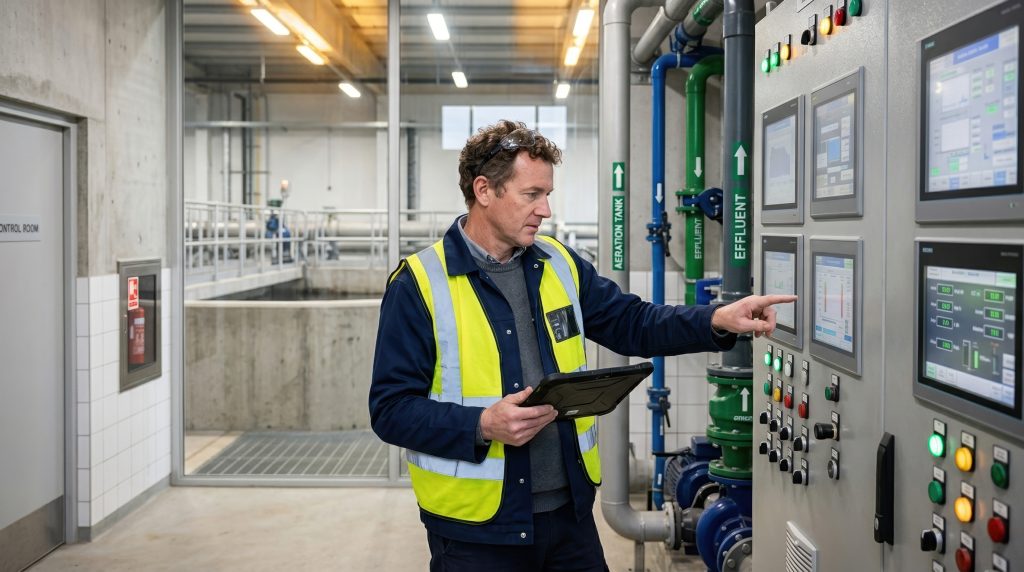
Maintenance technician in a high-visibility vest operating industrial control panels with a tablet in hand in a plant room

Why Predictable Performance Matters More Than Peak Performance

When evaluating building performance, organizations often focus on measurable outcomes such as energy use, equipment efficiency, response times, and system capacity. These metrics support benchmarking, guide investment decisions, and help identify opportunities for improvement, but they represent only one part of the operational picture. A complete evaluation must also consider whether those results can be sustained as conditions change throughout the facility. This broader view places greater importance on the distinction between peak and predictable performance. Peak performance reflects what a system can achieve under ideal conditions, while predictable performance demonstrates whether those results can be sustained as occupancy, weather, equipment loads, and operational demands change. This distinction provides a more meaningful outlook on building performance because the value of a facility depends on how reliably it supports the organization over time. Evaluating Building Performance Beyond Traditional Metrics A system may demonstrate strong efficiency or capacity during an individual assessment while still producing inconsistent temperatures, unexpected equipment behavior, recurring alarms, or operational disruptions. Performance under a tested load captures only a portion of the sequencing, scheduling, and equipment interactions that influence conditions throughout normal operation. Trend data provides the context needed to evaluate how these variables affect system response over time. This information helps organizations determine whether systems are operating as intended, recognize developing concerns, and make more informed decisions about maintenance, system improvements, and future investments. Creating Operational Confidence Through Predictable System Performance Facilities operate within constantly changing conditions that require mechanical equipment, controls, and automation to adjust seamlessly throughout the day. Predictability develops when those adjustments follow recognizable patterns, allowing systems to respond to changing demand while maintaining the temperatures, airflow, scheduling, and equipment sequencing required across the facility. Established operating patterns give management teams a reliable baseline for evaluating changes in runtime, energy use, environmental conditions, and equipment behavior. Developing issues become easier to identify before they affect occupants or critical operations, giving leadership greater confidence in the facility’s ability to support organizational priorities without frequent manual intervention. Supporting Predictability Through Building Automation Building automation provides the visibility and coordination needed to manage performance across interconnected systems. Control strategies adjust equipment operation in response to current demand, while trends, alarms, schedules, and system data document how the building responds throughout different operating conditions. When automation systems are properly designed, programmed, integrated, and maintained, this information becomes a valuable resource for evaluating performance and identifying the source of recurring concerns. Facility teams can refine control strategies with a clearer understanding of their broader impact, helping equipment respond effectively while preserving stable operation across the building. The Lasting Advantage of Predictable Operation Predictable performance gives organizations a stronger basis for evaluating operational health, managing risk, and planning for future needs. By understanding how systems behave over time, executives and owners can move beyond isolated measurements and determine whether the facility is prepared to support the organization as its requirements evolve. FES can elevate your facility’s predictable operations by evaluating building automation trends, identifying inconsistent system behavior, refining control strategies, and improving coordination between mechanical equipment and automation systems. This comprehensive approach gives facility leaders greater visibility into building operation and the information needed to make confident decisions about performance, maintenance, and long-term planning. Learn more about how FES supports reliable building performance at facilityeng.net.

Why Predictable Performance Matters More Than Peak Performance Read More »
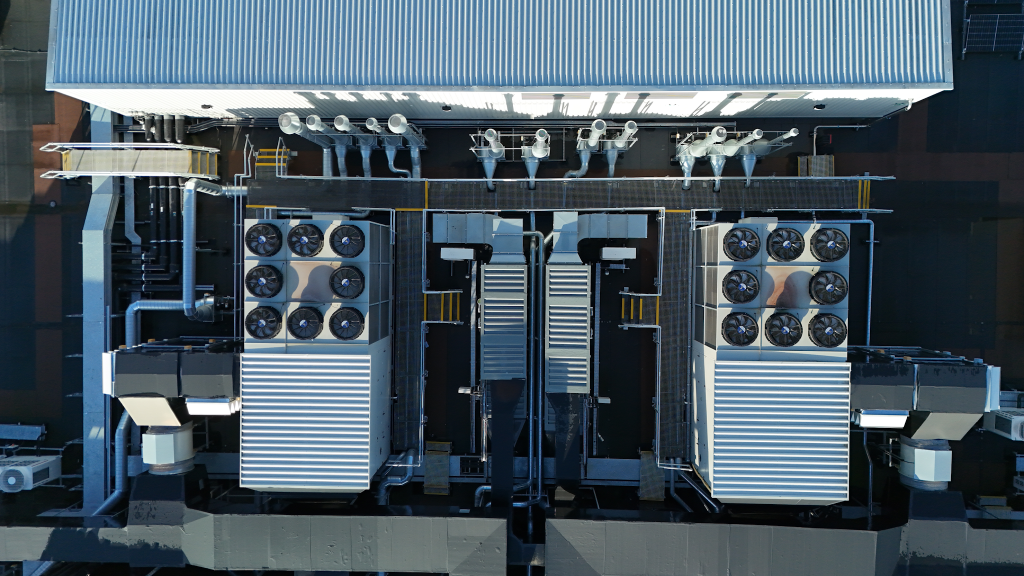
Rooftop HVAC installation with two large fan-cooled cooling units, extensive ductwork and metal walkways.

What Impacts the Lifespan of Building Automation Systems? 

Building automation systems are designed to support facilities for years, often decades. But like the buildings they serve, these systems rarely remain static over time. Occupancy patterns shift, operational priorities evolve, equipment is upgraded, and facility expectations continue to grow. As a result, the lifespan of a building automation system is influenced by far more than age alone. Long-term performance depends on how well systems are maintained, adapted, supported, and integrated into the evolving needs of a facility. Understanding the factors that impact system longevity can help facilities make more informed operational and modernization decisions over time. Building Needs Change Over Time One of the biggest influences on system lifespan is how a building itself changes throughout the years. Many facilities are operating very differently today than they were when their original systems were designed. Occupancy schedules, space usage, operational demands, and environmental expectations evolve gradually over time. In healthcare, institutional, and government environments especially, buildings frequently undergo renovations, departmental changes, expansions, or repurposing efforts that place new demands on existing infrastructure. A building automation system that can adapt alongside those operational changes is often better positioned for long term success. Consistent Maintenance Supports Long Term Performance Like any critical infrastructure, building automation systems benefit from ongoing maintenance and operational consistency. Routine maintenance, software updates, calibration checks, and system reviews can all play a role in supporting reliable performance over time. Even small operational adjustments, when addressed proactively, can help facilities maintain visibility into system behavior and avoid larger performance issues later. Long term reliability is rarely the result of a single upgrade or short-term optimization effort. More often, it comes from consistent operational support and thoughtful system management over time. Integration Can Influence System Longevity As facilities evolve, building systems often become increasingly interconnected. HVAC equipment, lighting systems, energy management platforms, and other life safety technologies may all need to communicate and share information effectively. Well integrated systems can help facilities maintain better operational visibility, simplify troubleshooting, and support future scalability. On the other hand, disconnected or difficult to integrate infrastructure can create operational challenges as buildings continue to modernize. Planning for integration and adaptability can help extend the long-term value of building automation investments. Visibility Helps Facilities Make Better Long-Term Decisions Access to operational data and system visibility can also play an important role in lifecycle planning. Trend analysis, historical performance information, and centralized monitoring help facilities better understand how systems operate over time. This visibility supports more informed maintenance planning, modernization discussions, operational decision making, and budgeting strategies. Rather than relying solely on equipment age, facilities can use performance insights to help prioritize upgrades, identify opportunities for optimization, support capital planning discussions, and make more informed long-term infrastructure investments. Modernization Is Often a Gradual Process Building automation system modernization rarely happens all at once, particularly in occupied or mission critical facilities. Many organizations take a phased approach that balances operational continuity, budgeting priorities, and evolving infrastructure needs. In these environments, long-term planning becomes especially important. Understanding how existing systems can adapt, integrate, and scale over time helps support smoother modernization efforts while minimizing disruption to daily operations. Supporting Long Term Building Performance The lifespan of a building automation system is shaped by many factors including operational consistency, adaptability, maintenance practices, integration strategy, and long-term facility planning. As buildings continue to evolve, the most effective systems are often the ones designed and managed with flexibility, visibility, and operational longevity in mind. Supporting that level of performance requires more than maintaining systems for today’s needs alone. It also means planning for how your facilities may grow, adapt, and operate in the future. At Facility Engineering Services, we understand the importance of taking an ongoing approach to building performance. Our team works with healthcare, institutional, and government facilities to help plan for future operational needs while supporting reliable system performance today. Through building automation, system integration, energy management solutions, and ongoing support, we help our clients develop strategies that support adaptability, operational continuity, and lasting value throughout the lifecycle of their building systems.

What Impacts the Lifespan of Building Automation Systems?  Read More »

Scroll to Top