Facility Engineering Services

FES

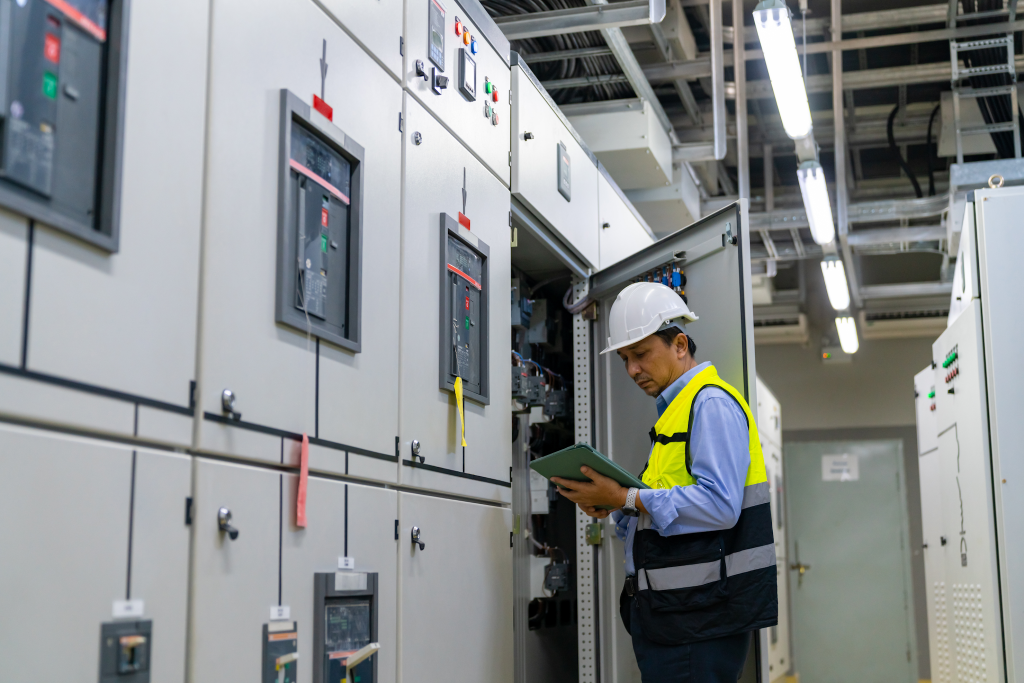
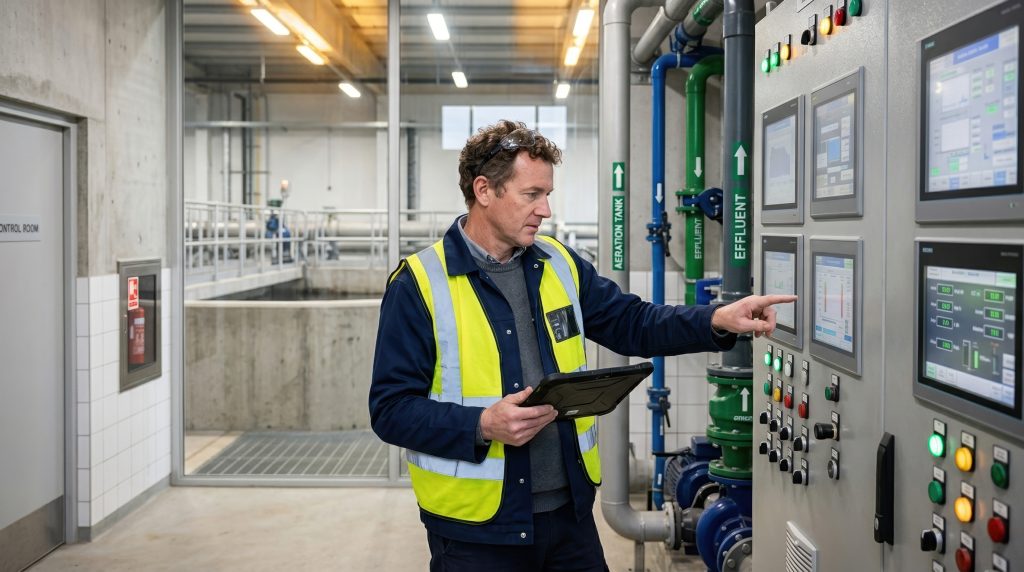
Maintenance technician in a high-visibility vest operating industrial control panels with a tablet in hand in a plant room

Why Predictable Performance Matters More Than Peak Performance

When evaluating building performance, organizations often focus on measurable outcomes such as energy use, equipment efficiency, response times, and system capacity. These metrics support benchmarking, guide investment decisions, and help identify opportunities for improvement, but they represent only one part of the operational picture. A complete evaluation must also consider whether those results can be sustained as conditions change throughout the facility. This broader view places greater importance on the distinction between peak and predictable performance. Peak performance reflects what a system can achieve under ideal conditions, while predictable performance demonstrates whether those results can be sustained as occupancy, weather, equipment loads, and operational demands change. This distinction provides a more meaningful outlook on building performance because the value of a facility depends on how reliably it supports the organization over time. Evaluating Building Performance Beyond Traditional Metrics A system may demonstrate strong efficiency or capacity during an individual assessment while still producing inconsistent temperatures, unexpected equipment behavior, recurring alarms, or operational disruptions. Performance under a tested load captures only a portion of the sequencing, scheduling, and equipment interactions that influence conditions throughout normal operation. Trend data provides the context needed to evaluate how these variables affect system response over time. This information helps organizations determine whether systems are operating as intended, recognize developing concerns, and make more informed decisions about maintenance, system improvements, and future investments. Creating Operational Confidence Through Predictable System Performance Facilities operate within constantly changing conditions that require mechanical equipment, controls, and automation to adjust seamlessly throughout the day. Predictability develops when those adjustments follow recognizable patterns, allowing systems to respond to changing demand while maintaining the temperatures, airflow, scheduling, and equipment sequencing required across the facility. Established operating patterns give management teams a reliable baseline for evaluating changes in runtime, energy use, environmental conditions, and equipment behavior. Developing issues become easier to identify before they affect occupants or critical operations, giving leadership greater confidence in the facility’s ability to support organizational priorities without frequent manual intervention. Supporting Predictability Through Building Automation Building automation provides the visibility and coordination needed to manage performance across interconnected systems. Control strategies adjust equipment operation in response to current demand, while trends, alarms, schedules, and system data document how the building responds throughout different operating conditions. When automation systems are properly designed, programmed, integrated, and maintained, this information becomes a valuable resource for evaluating performance and identifying the source of recurring concerns. Facility teams can refine control strategies with a clearer understanding of their broader impact, helping equipment respond effectively while preserving stable operation across the building. The Lasting Advantage of Predictable Operation Predictable performance gives organizations a stronger basis for evaluating operational health, managing risk, and planning for future needs. By understanding how systems behave over time, executives and owners can move beyond isolated measurements and determine whether the facility is prepared to support the organization as its requirements evolve. FES can elevate your facility’s predictable operations by evaluating building automation trends, identifying inconsistent system behavior, refining control strategies, and improving coordination between mechanical equipment and automation systems. This comprehensive approach gives facility leaders greater visibility into building operation and the information needed to make confident decisions about performance, maintenance, and long-term planning. Learn more about how FES supports reliable building performance at facilityeng.net.

Why Predictable Performance Matters More Than Peak Performance Read More »
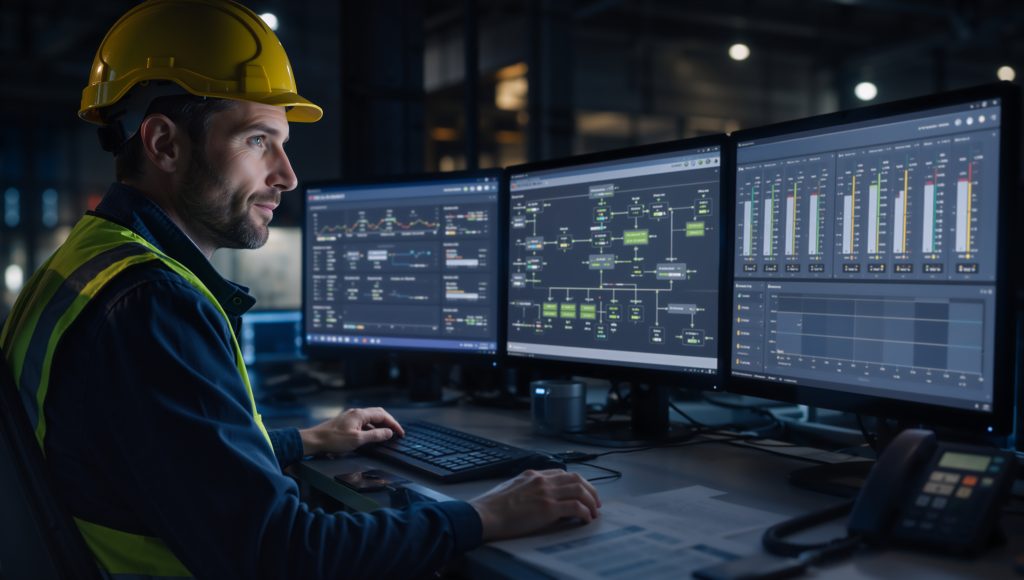
Profile view of a technician wearing a yellow hard hat and high-visibility vest, monitoring multiple dashboards on three screens in a dim control room.

The Night Shift: How Systems Operate After Hours

When the last occupants leave, your building shifts into a different phase of operation. HVAC equipment, controls, lighting, and other systems adjust to lower demand while continuing to maintain required conditions, support critical areas, and prepare the facility for the following day. Because this activity is designed to occur with minimal disruption, it often receives less attention than daytime operations. However, the hours between closing and reopening can provide valuable insight into whether schedules reflect actual facility use, if equipment responds appropriately as demand changes, and if building systems are operating only when and where they are needed.  Transitioning Beyond Occupied Hours As activity throughout the building slows, the building automation system begins transitioning equipment from occupied to unoccupied operation. Temperature setpoints may widen, ventilation requirements may decrease, lighting schedules may take effect, and equipment serving empty spaces may shut down or operate at reduced capacity. The result is an overnight operating approach that reflects the building’s reduced activity and changing demands. The transition varies across the building because different spaces have different responsibilities after hours. Offices and commercial spaces may allow greater temperature variation, while healthcare facilities, laboratories, data centers, and other critical environments continue operating within more specific parameters. Building automation allows each area to follow a strategy based on its purpose rather than applying the same schedule and operating conditions throughout the entire facility. Even with fewer occupants and lower demand, building systems continue monitoring temperature, humidity, pressure, equipment status, and other conditions that influence facility operation. Pumps, fans, air handling units, and related equipment may cycle throughout the night as conditions change, while alarms provide visibility into issues that require attention. This allows the building to reduce overall operation without leaving critical equipment and environments unprotected. Building use also does not always end according to schedule. Evening events, maintenance work, extended employee hours, and unexpected occupancy may create demand in certain areas after the facility has entered unoccupied mode. Temporary schedule adjustments and occupant overrides can provide the necessary conditioning without returning the entire building to full operation as long as those changes expire when the additional activity ends. Several hours before normal occupancy resumes, the building begins preparing for the day ahead. Equipment may start in advance to restore temperature, ventilation, and other environmental conditions before people arrive. Outdoor weather, current indoor conditions, building characteristics, and anticipated demand can all influence how much recovery time is required. A properly configured startup sequence uses these conditions to determine when equipment should begin operating rather than relying on the same start time throughout the year. This gives the building enough time to reach the appropriate conditions without starting systems earlier than necessary. What Overnight Operation Can Reveal Overnight operation can reveal whether building schedules and control strategies still reflect the way the facility is being used. Equipment that continues running long after spaces are empty may indicate scheduling conflicts or overrides that were never cleared, while repeated after-hours requests in the same area may show that occupancy patterns have changed. Spaces that consistently struggle to recover before people return may also point to issues with startup sequences, equipment operation, or system capacity. Reviewing after hours trends can help facility teams answer several important questions: Together, these patterns provide a clearer picture of how the building operates across its complete daily cycle. They can also help facility teams identify practical opportunities to update schedules, refine control strategies, and reduce equipment operation that no longer supports an operational need. Making Every Operating Hour Count The hours when a building appears least active can be some of the most informative. They reveal whether operating strategies remain aligned with actual use, where equipment may be running unnecessarily, and how effectively the facility prepares for the next occupied period.  FES helps organizations turn that after-hours information into informed operational decisions through the design, programming, and ongoing support of building automation systems. To take a closer look at how your building operates after everyone leaves, contact FES.

The Night Shift: How Systems Operate After Hours Read More »

Construction worker in a high-visibility vest on a scaffolded site, holding a white hard hat.

Supporting Critical Operations During Extreme Heat Events

Maintaining reliable indoor environments becomes increasingly important during periods of extreme heat. As outdoor temperatures rise, critical facilities depend on building systems to support occupant comfort, operational continuity, and essential services. Whether it’s a hospital, government facility, laboratory, or campus, occupants expect indoor conditions to remain comfortable and consistent regardless of the weather outside. Meeting those expectations often requires building systems to perform under some of the most demanding conditions of the year. For critical facilities, maintaining stable indoor environments supports far more than comfort alone. Reliable conditions help organizations continue delivering essential services, support daily operations, and provide occupants with the consistency they depend on. Understanding how facilities respond during extreme heat events highlights why these periods remain an important consideration for building owners, facility managers, and operations teams. Indoor Environments Support More Than Comfort When people step inside on a hot summer day, comfort is often the first thing they notice. What they may not realize is how much the indoor environment influences their overall experience within the facility. Temperature, ventilation, and overall environmental conditions help shape how occupants interact with a space. Comfortable environments support focus, productivity, and a sense of normalcy, allowing people to remain engaged in the activities taking place around them rather than becoming distracted by conditions within the building. This becomes particularly important for critical spaces during periods of extreme heat. As outdoor temperatures climb, maintaining a stable indoor environment helps organizations continue delivering services, supporting occupants, and carrying out their responsibilities without unnecessary disruption. The ability to provide a consistent environment often plays an important role in preserving both occupant confidence and operational continuity during challenging conditions. Expectations Don’t Change When Temperatures Rise One of the unique challenges associated with extreme heat is that outdoor conditions may become more demanding while expectations inside the facility remain exactly the same. As a result, maintaining comfortable indoor environments becomes about more than responding to weather. It becomes part of supporting the overall experience, continuity, and reliability people expect from the facility every day. While occupants may never see the systems working behind the scenes, they immediately recognize when an environment no longer supports the level of comfort and consistency they have come to expect. Critical Facilities Often Have Less Margin for Error Extreme heat can create challenges for any facility, but critical environments often have fewer opportunities to absorb those challenges without consequences. Organizations responsible for delivering essential services operate under the expectation that those services will remain available regardless of weather conditions.  This reality places additional importance on maintaining environments that support both occupants and operations. Small disruptions that may be manageable in some facilities can become far more significant in environments where reliability, consistency, and continuity remain central to the organization’s mission. During periods of prolonged heat, maintaining stable indoor conditions helps ensure facilities can continue supporting the people and activities that depend on them every day. Preparing for Extended Heat Events While facilities cannot control outdoor temperatures, they can improve their understanding of how buildings perform when environmental demands increase. Periods of prolonged heat often provide valuable insight into how facilities support occupants under challenging conditions. Reviewing building performance, understanding operational priorities, and maintaining visibility into critical systems can help organizations identify potential concerns and respond more effectively when conditions become more demanding. Preparation is ultimately about maintaining confidence in the facility’s ability to support the people and operations that depend on it. The goal is not simply to withstand a heat event, but to continue providing a consistent experience for occupants regardless of what is happening outside. Responding to Rising Temperatures  Extreme heat often draws attention to temperatures, forecasts, and cooling systems, but its impact reaches much further. For critical facilities, indoor environments help support the people, services, and operations that communities depend on every day. Maintaining those environments during periods of prolonged heat helps ensure organizations can continue fulfilling their mission while providing occupants with the comfort, consistency, and reliability they expect. If your facility is preparing for the challenges of extreme summer temperatures, FES offers a variety of services to keep your systems running at their best. Our team works with facilities to evaluate building performance, improve operational visibility, and support the systems responsible for maintaining comfortable, reliable indoor environments. Through building automation, energy management solutions, system integration, and ongoing service support, we help organizations stay focused on serving their occupants and achieving their mission, regardless of the conditions outside.

Supporting Critical Operations During Extreme Heat Events Read More »

Male technician in a yellow safety vest and white hard hat inspecting large electrical control panels in an industrial facility

Maintaining Reliable Building Performance Over Time

In many facilities, operational reliability is shaped less by major projects and more by what happens between them. It’s shaped by how systems are adjusted as occupancy changes, how quickly unusual performance trends are identified, how effectively teams coordinate across building operations, and how consistently day to day operational practices are maintained as facilities continue evolving over time. Those details rarely stand out individually, but together they often determine whether a building continues operating smoothly year after year or gradually becomes more difficult to manage. Over time, the way facilities approach maintenance, system adjustments, operational planning, and long-term building changes can have a significant impact on overall reliability and performance. Small Operational Changes Can Affect Long Term Performance Building systems are constantly responding to changing operational conditions. As occupancy patterns shift, equipment ages, and facility demands evolve, even small changes can begin influencing overall performance. In many cases, those shifts happen gradually enough that they are not immediately noticeable during daily operations. Over time, however, small operational inefficiencies can begin affecting comfort, energy usage, equipment performance, and maintenance demands across the facility. Addressing these issues early through consistent monitoring, preventative maintenance, and operational adjustments often helps facilities maintain greater reliability over the long term. The Importance of a Proactive Maintenance Strategy Long term operational reliability often depends on having a consistent service strategy in place as facilities continue evolving over time. Ongoing service agreements and preventative maintenance programs help create a more proactive approach to building operations by allowing systems to be monitored, evaluated, and serviced before smaller issues begin developing into larger operational disruptions. Rather than responding only after equipment failures occur, facilities with established maintenance programs are often better positioned to identify irregular system trends early, reduce unexpected downtime, and maintain more consistent building performance. This approach not only supports longer equipment life, but also helps create greater predictability around operational planning, service needs, and long term maintenance costs. With continued system oversight and routine operational support, facilities are often able to respond more quickly to changing building conditions while maintaining stronger overall control of day to day operations. Adapting to Changing Efficiency and Safety Requirements As building systems age and operational expectations continue evolving, maintaining reliability also means keeping pace with changing efficiency standards, safety requirements, and regulatory expectations. What was considered efficient or fully compliant several years ago may no longer align with current operational benchmarks or industry requirements today. For critical facilities, these changes can carry even greater operational significance. Environments such as healthcare facilities, laboratories, manufacturing spaces, and data centers often depend on tightly controlled building conditions where system performance, ventilation, monitoring, and operational consistency directly support daily operations. In these spaces, even smaller compliance or performance gaps can create larger operational concerns over time. Evolving regulations are also becoming increasingly important for facilities pursuing government funded renovations, infrastructure upgrades, or grant supported improvement projects. Many funding programs now prioritize energy performance, sustainability initiatives, system modernization, and long-term operational efficiency as part of the approval process. Facilities that take a proactive approach to evaluating system performance and operational readiness are often in a stronger position to adapt to changing requirements, support future project opportunities, and maintain more reliable building operations over the long term. FES’ Approach to Long Term Operational Reliability Reliable building operations are not maintained through one-time improvements alone. As facilities continue evolving, long term performance depends on how effectively systems are maintained, adjusted, and supported over time. From preventative maintenance and operational planning to system optimization and evolving compliance requirements, each of these areas plays a role in how reliably a facility continues operating year after year. Maintaining that level of consistency often requires a long-term operational approach rather than reactive decision making alone. Facilities that continue performing reliably over time are typically those that remain proactive in how they evaluate building performance, address operational changes, and support critical systems as demands continue shifting. At Facility Engineering Services, our team continues supporting facilities long after projects are completed through ongoing service agreements, preventative maintenance programs, controls support, remote monitoring, and system optimization services. By helping facilities identify developing operational concerns early and adapt systems as building needs evolve, we work to support more reliable long-term performance across every stage of a facility’s operation.

Maintaining Reliable Building Performance Over Time Read More »

Scroll to Top