Facility Engineering Services

automation system

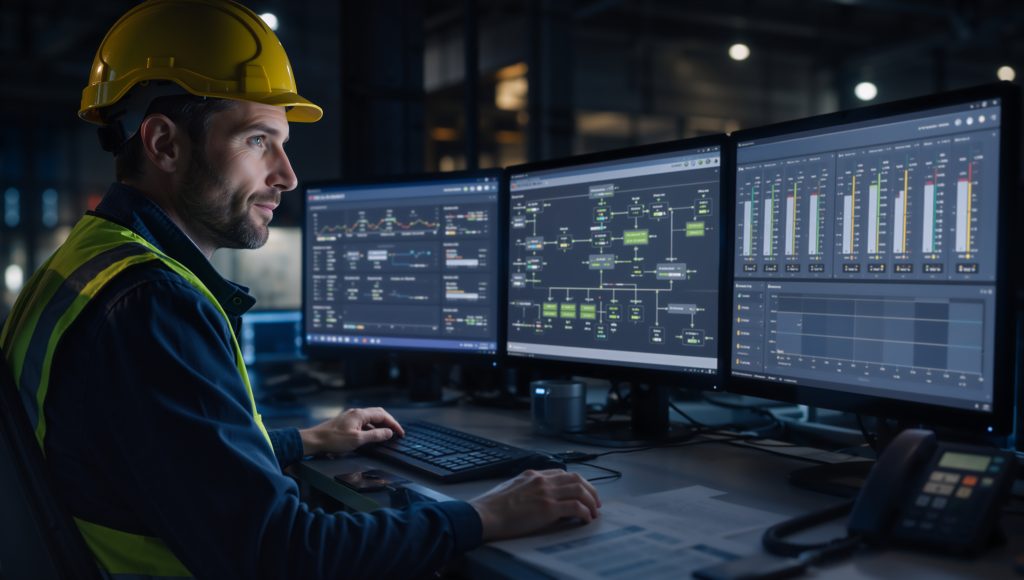
Profile view of a technician wearing a yellow hard hat and high-visibility vest, monitoring multiple dashboards on three screens in a dim control room.

The Night Shift: How Systems Operate After Hours

When the last occupants leave, your building shifts into a different phase of operation. HVAC equipment, controls, lighting, and other systems adjust to lower demand while continuing to maintain required conditions, support critical areas, and prepare the facility for the following day. Because this activity is designed to occur with minimal disruption, it often receives less attention than daytime operations. However, the hours between closing and reopening can provide valuable insight into whether schedules reflect actual facility use, if equipment responds appropriately as demand changes, and if building systems are operating only when and where they are needed.  Transitioning Beyond Occupied Hours As activity throughout the building slows, the building automation system begins transitioning equipment from occupied to unoccupied operation. Temperature setpoints may widen, ventilation requirements may decrease, lighting schedules may take effect, and equipment serving empty spaces may shut down or operate at reduced capacity. The result is an overnight operating approach that reflects the building’s reduced activity and changing demands. The transition varies across the building because different spaces have different responsibilities after hours. Offices and commercial spaces may allow greater temperature variation, while healthcare facilities, laboratories, data centers, and other critical environments continue operating within more specific parameters. Building automation allows each area to follow a strategy based on its purpose rather than applying the same schedule and operating conditions throughout the entire facility. Even with fewer occupants and lower demand, building systems continue monitoring temperature, humidity, pressure, equipment status, and other conditions that influence facility operation. Pumps, fans, air handling units, and related equipment may cycle throughout the night as conditions change, while alarms provide visibility into issues that require attention. This allows the building to reduce overall operation without leaving critical equipment and environments unprotected. Building use also does not always end according to schedule. Evening events, maintenance work, extended employee hours, and unexpected occupancy may create demand in certain areas after the facility has entered unoccupied mode. Temporary schedule adjustments and occupant overrides can provide the necessary conditioning without returning the entire building to full operation as long as those changes expire when the additional activity ends. Several hours before normal occupancy resumes, the building begins preparing for the day ahead. Equipment may start in advance to restore temperature, ventilation, and other environmental conditions before people arrive. Outdoor weather, current indoor conditions, building characteristics, and anticipated demand can all influence how much recovery time is required. A properly configured startup sequence uses these conditions to determine when equipment should begin operating rather than relying on the same start time throughout the year. This gives the building enough time to reach the appropriate conditions without starting systems earlier than necessary. What Overnight Operation Can Reveal Overnight operation can reveal whether building schedules and control strategies still reflect the way the facility is being used. Equipment that continues running long after spaces are empty may indicate scheduling conflicts or overrides that were never cleared, while repeated after-hours requests in the same area may show that occupancy patterns have changed. Spaces that consistently struggle to recover before people return may also point to issues with startup sequences, equipment operation, or system capacity. Reviewing after hours trends can help facility teams answer several important questions: Together, these patterns provide a clearer picture of how the building operates across its complete daily cycle. They can also help facility teams identify practical opportunities to update schedules, refine control strategies, and reduce equipment operation that no longer supports an operational need. Making Every Operating Hour Count The hours when a building appears least active can be some of the most informative. They reveal whether operating strategies remain aligned with actual use, where equipment may be running unnecessarily, and how effectively the facility prepares for the next occupied period.  FES helps organizations turn that after-hours information into informed operational decisions through the design, programming, and ongoing support of building automation systems. To take a closer look at how your building operates after everyone leaves, contact FES.

The Night Shift: How Systems Operate After Hours Read More »
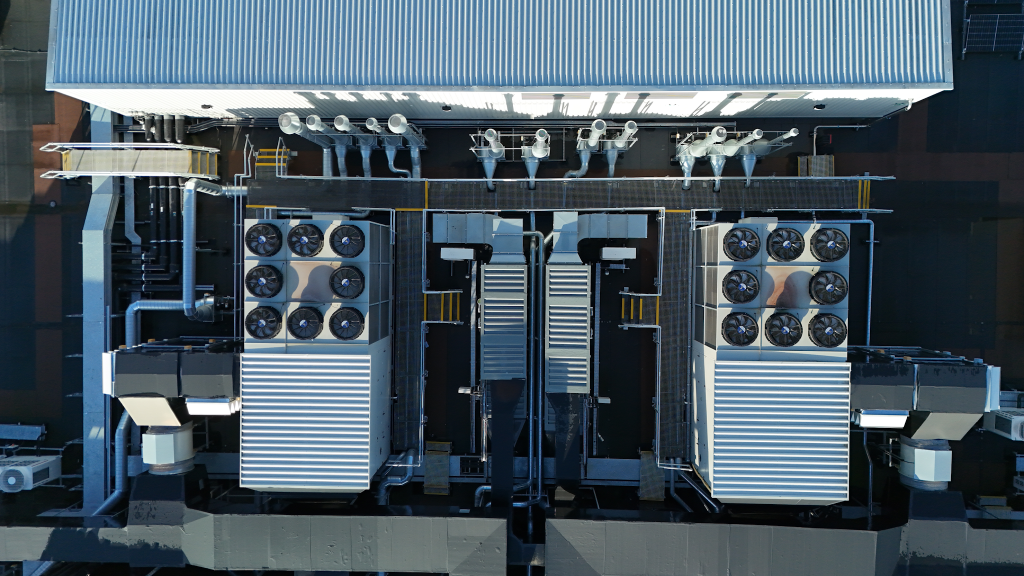
Rooftop HVAC installation with two large fan-cooled cooling units, extensive ductwork and metal walkways.

What Impacts the Lifespan of Building Automation Systems? 

Building automation systems are designed to support facilities for years, often decades. But like the buildings they serve, these systems rarely remain static over time. Occupancy patterns shift, operational priorities evolve, equipment is upgraded, and facility expectations continue to grow. As a result, the lifespan of a building automation system is influenced by far more than age alone. Long-term performance depends on how well systems are maintained, adapted, supported, and integrated into the evolving needs of a facility. Understanding the factors that impact system longevity can help facilities make more informed operational and modernization decisions over time. Building Needs Change Over Time One of the biggest influences on system lifespan is how a building itself changes throughout the years. Many facilities are operating very differently today than they were when their original systems were designed. Occupancy schedules, space usage, operational demands, and environmental expectations evolve gradually over time. In healthcare, institutional, and government environments especially, buildings frequently undergo renovations, departmental changes, expansions, or repurposing efforts that place new demands on existing infrastructure. A building automation system that can adapt alongside those operational changes is often better positioned for long term success. Consistent Maintenance Supports Long Term Performance Like any critical infrastructure, building automation systems benefit from ongoing maintenance and operational consistency. Routine maintenance, software updates, calibration checks, and system reviews can all play a role in supporting reliable performance over time. Even small operational adjustments, when addressed proactively, can help facilities maintain visibility into system behavior and avoid larger performance issues later. Long term reliability is rarely the result of a single upgrade or short-term optimization effort. More often, it comes from consistent operational support and thoughtful system management over time. Integration Can Influence System Longevity As facilities evolve, building systems often become increasingly interconnected. HVAC equipment, lighting systems, energy management platforms, and other life safety technologies may all need to communicate and share information effectively. Well integrated systems can help facilities maintain better operational visibility, simplify troubleshooting, and support future scalability. On the other hand, disconnected or difficult to integrate infrastructure can create operational challenges as buildings continue to modernize. Planning for integration and adaptability can help extend the long-term value of building automation investments. Visibility Helps Facilities Make Better Long-Term Decisions Access to operational data and system visibility can also play an important role in lifecycle planning. Trend analysis, historical performance information, and centralized monitoring help facilities better understand how systems operate over time. This visibility supports more informed maintenance planning, modernization discussions, operational decision making, and budgeting strategies. Rather than relying solely on equipment age, facilities can use performance insights to help prioritize upgrades, identify opportunities for optimization, support capital planning discussions, and make more informed long-term infrastructure investments. Modernization Is Often a Gradual Process Building automation system modernization rarely happens all at once, particularly in occupied or mission critical facilities. Many organizations take a phased approach that balances operational continuity, budgeting priorities, and evolving infrastructure needs. In these environments, long-term planning becomes especially important. Understanding how existing systems can adapt, integrate, and scale over time helps support smoother modernization efforts while minimizing disruption to daily operations. Supporting Long Term Building Performance The lifespan of a building automation system is shaped by many factors including operational consistency, adaptability, maintenance practices, integration strategy, and long-term facility planning. As buildings continue to evolve, the most effective systems are often the ones designed and managed with flexibility, visibility, and operational longevity in mind. Supporting that level of performance requires more than maintaining systems for today’s needs alone. It also means planning for how your facilities may grow, adapt, and operate in the future. At Facility Engineering Services, we understand the importance of taking an ongoing approach to building performance. Our team works with healthcare, institutional, and government facilities to help plan for future operational needs while supporting reliable system performance today. Through building automation, system integration, energy management solutions, and ongoing support, we help our clients develop strategies that support adaptability, operational continuity, and lasting value throughout the lifecycle of their building systems.

What Impacts the Lifespan of Building Automation Systems?  Read More »

Scroll to Top